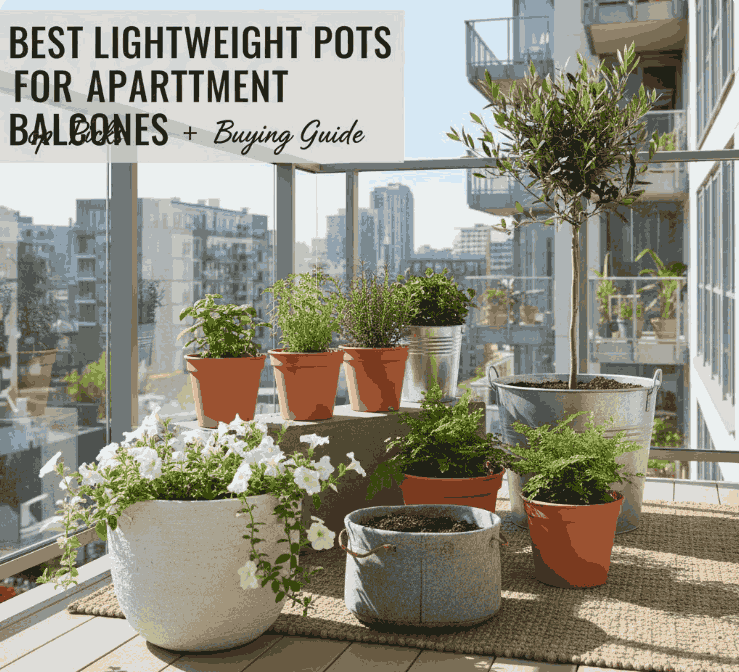
Creating a balcony garden in an apartment is one of the best ways to enjoy greenery in limited space. However, weight restrictions, small floor areas, and structural safety make choosing the right containers essential. Heavy ceramic or concrete planters may look attractive, but they can strain balcony load capacity and make rearranging difficult. This is why many urban gardeners prefer lightweight pots designed specifically for compact outdoor spaces.
This comprehensive guide explains everything you need to know about selecting the best lightweight pots for apartment balconies, including top material options, features to look for, and practical buying tips. By the end, you will know exactly which pots suit your plants, climate, and balcony layout.
Why Lightweight Pots Are Ideal for Apartment Balconies
Balcony gardening differs from traditional gardening because structural safety and mobility matter as much as plant health. Lightweight planters provide several advantages:
Reduced Structural Load
Apartment balconies are designed to hold limited weight. Using lighter containers helps prevent unnecessary stress on the structure, especially if you plan to keep multiple plants.
Easy Rearrangement
Sunlight patterns change throughout the year. Lightweight pots allow you to move plants easily to adjust for seasonal light conditions.
Convenient Maintenance
Watering, cleaning, and repotting become easier when containers are light enough to handle comfortably.
Versatile Design Options
Modern lightweight pots come in various styles that mimic ceramic, stone, or metal while remaining easy to lift and reposition.
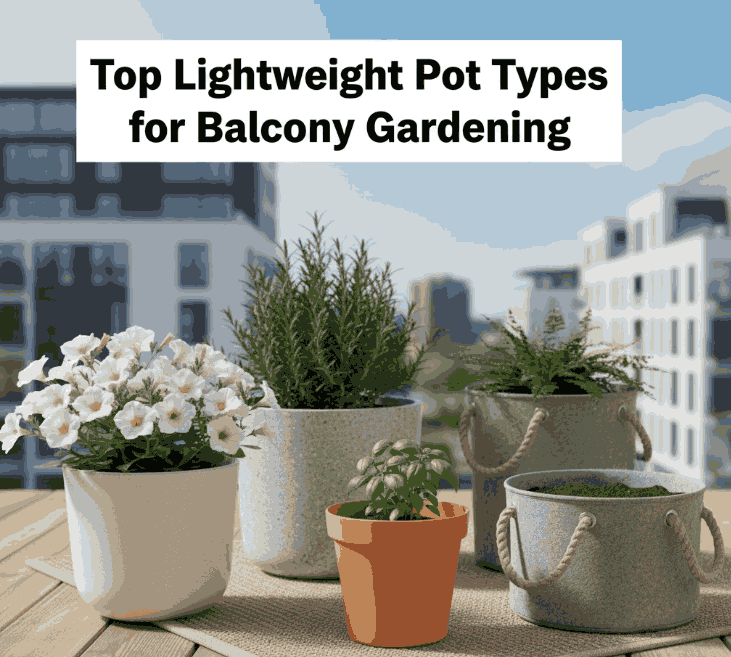
Top Lightweight Pot Types for Balcony Gardening
Below are the best categories of lightweight pots widely recommended for apartment balconies. Each type offers specific benefits depending on your gardening goals.
1. Plastic Pots
Plastic planters remain one of the most popular options for balcony gardeners because they combine affordability with functionality.
Advantages
- Extremely lightweight
- Budget friendly
- Available in countless sizes and colors
- Resistant to cracking
Best Uses
- Herbs
- Succulents
- Small flowering plants
Buying Tip
Choose thick, UV-resistant plastic to prevent fading and brittleness from sun exposure.
2. Fiberglass Planters
Fiberglass pots are often considered premium lightweight containers because they replicate the look of stone or ceramic without the weight.
Advantages
- Durable and weather resistant
- Elegant appearance
- Long lifespan
- Resistant to temperature changes
Best Uses
- Decorative balcony displays
- Medium shrubs
- Ornamental plants
These pots are ideal if you want a stylish balcony garden without dealing with heavy materials.
3. Resin Planters
Resin planters are made from molded composite materials that combine strength with minimal weight.
Advantages
- Strong yet lightweight
- Scratch resistant
- Fade resistant
- Modern designs
Best Uses
- Decorative plants
- Balcony corners
- Mixed plant arrangements
Resin containers are excellent for people who want long-lasting pots that maintain their appearance over time.
4. Fabric Grow Bags
Fabric grow bags have become increasingly popular among urban gardeners because of their breathability and flexibility.
Advantages
- Promote healthy root growth through air pruning
- Foldable for storage
- Excellent drainage
- Extremely lightweight
Best Uses
- Vegetables
- Herbs
- Leafy greens
They are especially useful if you plan seasonal planting and want containers that can be stored easily when not in use.
5. Hanging Planters
Hanging pots help maximize vertical space, which is crucial for small balconies.
Advantages
- Save floor space
- Create layered garden aesthetics
- Improve air circulation around plants
Best Uses
- Trailing plants
- Flowering vines
- Ferns
Lightweight hanging pots should always be paired with sturdy hooks and secure mounting hardware.
Key Features to Look for When Buying Lightweight Pots
Selecting the right container involves more than choosing a material. Consider these important factors before purchasing.
Material Durability
Not all lightweight pots are equally strong. Thin plastic containers may crack, while reinforced resin or fiberglass pots can last for years. Always check material thickness and construction quality.
Drainage System
Proper drainage is essential for plant health. Look for containers that include:
- Pre-drilled holes
- Removable drainage plugs
- Matching trays or saucers
If a pot does not have holes, you can drill them manually, but factory drainage is usually more reliable.
Size and Depth
Plants need sufficient root space. Choose pot sizes according to plant type:
| Plant Type | Recommended Depth |
|---|---|
| Herbs | 6–8 inches |
| Flowers | 8–10 inches |
| Vegetables | 10–14 inches |
| Small shrubs | 14+ inches |
Using the correct depth ensures proper root development and prevents stunted growth.
Weight Distribution
Even lightweight pots can become heavy after watering. Consider the combined weight of soil, plant, and water. Using lightweight soil mixes can help reduce overall load.
Weather Resistance
Balcony pots are exposed to sun, wind, and rain. Choose materials labeled as:
- UV resistant
- Frost resistant
- Crack resistant
These features extend the lifespan of your containers.
Aesthetic Compatibility
Your balcony is an extension of your living space. Select pot colors and shapes that match your decor theme. Neutral tones suit modern spaces, while textured finishes complement rustic styles.
Top Picks Based on Use Cases
Instead of focusing on brands, selecting pots based on purpose is more practical. Here are recommended categories for different balcony gardening needs.
Best for Small Balconies
Slim rectangular plastic or resin planters that fit railings or narrow corners.
Best for Decorative Gardens
Fiberglass or textured resin pots that resemble stone or ceramic.
Best for Vegetable Growing
Fabric grow bags or deep lightweight plastic containers.
Best for Windy Areas
Low-profile resin pots with wider bases for stability.
Best for Frequent Rearranging
Ultra-light plastic pots or containers with wheels or caddies.
Common Mistakes to Avoid When Choosing Balcony Pots
Many beginners select containers based only on appearance, which can lead to problems later. Avoid these common mistakes:
Choosing Oversized Pots
Large containers hold more soil and water, increasing weight. Only use big pots when necessary.
Ignoring Drainage
Poor drainage can cause root rot, fungus, and plant death.
Using Dark Pots in Hot Climates
Dark containers absorb heat and may overheat roots. Lighter colors reflect sunlight and keep soil cooler.
Overloading the Balcony
Even lightweight pots can become heavy when grouped together. Distribute plants evenly to balance weight.
Tips for Maintaining Lightweight Pots
Proper maintenance extends the life of your containers and keeps your balcony garden looking attractive.
- Clean pots periodically to prevent algae buildup.
- Store unused containers indoors during extreme weather.
- Check for cracks or weak spots regularly.
- Replace worn fabric grow bags after a few growing seasons.
Routine care ensures your investment lasts longer and your plants remain healthy.
Lightweight Pot Alternatives for Creative Gardeners
If you want something unique, consider these alternative lightweight containers:
- Recycled plastic buckets
- Wooden crates lined with plastic
- Wall-mounted pocket planters
- Modular vertical planters
These options allow you to customize your balcony garden while keeping weight minimal.
Final Buying Checklist
Before purchasing lightweight pots for your apartment balcony, confirm the following:
- Material is durable and weather resistant
- Pot size matches plant requirements
- Drainage holes are present
- Total filled weight is manageable
- Design matches your balcony style
Following this checklist ensures you choose containers that are both practical and visually appealing.
Conclusion
Lightweight pots are the foundation of successful apartment balcony gardening. They make plant care easier, protect your building structure, and allow flexible garden arrangements. Plastic, fiberglass, resin, fabric, and hanging planters each offer unique benefits, so the best choice depends on your plants, climate, and available space.
By focusing on durability, drainage, size, and weather resistance, you can confidently select pots that support healthy plant growth while maintaining safety and convenience. With the right lightweight containers, even the smallest balcony can become a thriving, beautiful garden.

Umair Abdullah is a dedicated balcony gardening writer who helps urban growers cultivate vegetables, herbs, and plants in small spaces. He focuses on practical, beginner-friendly methods and shares tested tips to make balcony gardening simple, productive, and enjoyable.