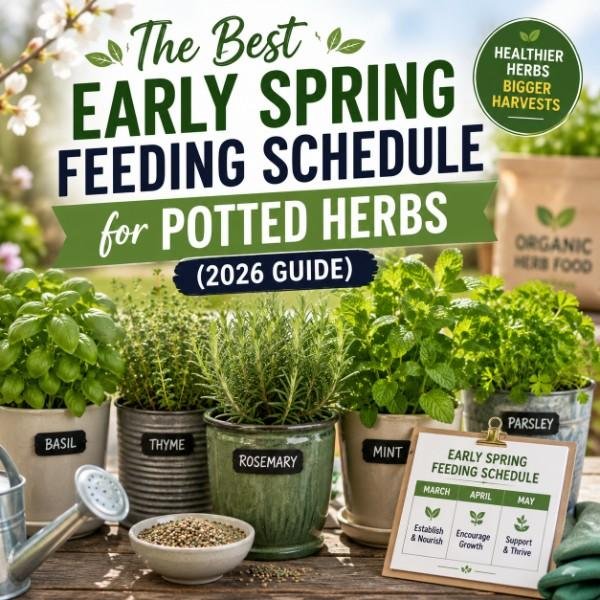
Growing herbs in containers is one of the easiest ways to enjoy fresh flavors throughout the year. However, after a long winter, potted herbs often need extra care to regain their strength. Early spring is the most important time to begin feeding your herbs because it marks the start of active growth. Providing the right nutrients at the right time can lead to healthier plants, stronger root systems, and a more abundant harvest.
In this guide, you’ll learn the best early spring feeding schedule for potted herbs, which fertilizers work best, and how to avoid common feeding mistakes.
Why Early Spring Feeding Matters for Potted Herbs
Unlike herbs planted directly in the ground, container-grown herbs have limited access to nutrients. Over time, watering washes nutrients out of the potting mix, leaving plants with less food available for new growth.
As temperatures rise and daylight hours increase in early spring, herbs naturally begin producing fresh leaves and roots. This growth requires nutrients, especially nitrogen, phosphorus, and potassium.
A proper feeding schedule helps:
- Encourage vigorous new growth
- Improve leaf production
- Strengthen root systems
- Increase resistance to pests and diseases
- Enhance flavor and aroma
- Extend the harvesting season
Without supplemental feeding, many potted herbs become weak, pale, and slow-growing.
When Should You Start Feeding Potted Herbs?
The ideal time to begin feeding herbs is when you notice the first signs of active growth after winter dormancy.
In most regions, this occurs when:
- Daytime temperatures consistently stay above 50°F (10°C)
- New leaves begin emerging
- Plants show fresh green growth
- Frost danger is decreasing
For many gardeners, this means feeding starts between late February and early April, depending on climate.
Avoid fertilizing dormant herbs during winter because nutrients are not actively used and may damage roots.
Understanding Nutrient Needs of Common Herbs
Different herbs have different feeding requirements.
Light Feeders
These herbs thrive in moderately fertile soil and require less fertilizer:
- Thyme
- Rosemary
- Sage
- Oregano
- Lavender
Excess fertilizer can actually reduce their flavor intensity.
Moderate Feeders
These herbs benefit from regular feeding during spring and summer:
- Parsley
- Cilantro
- Chives
- Dill
Heavy Feeders
These herbs produce large amounts of leafy growth and need more nutrients:
- Basil
- Mint
- Lemon Balm
Regular feeding helps maintain continuous production.
The Best Early Spring Feeding Schedule for Potted Herbs
Week 1: Spring Wake-Up Feeding
When new growth appears, apply a gentle organic fertilizer.
Recommended options:
- Compost tea
- Fish emulsion
- Seaweed fertilizer
- Organic liquid herb fertilizer
Mix according to label instructions and water the soil thoroughly.
This first feeding provides essential nutrients without overwhelming tender roots.
Week 3: Light Nutrient Boost
Two weeks after the first feeding, apply a diluted liquid fertilizer.
Use:
- Half-strength fish emulsion
- Liquid kelp fertilizer
- Balanced organic fertilizer
This encourages healthy leaf development while supporting root growth.
Week 5: Growth Support Feeding
As herbs enter active growth, provide another feeding.
At this stage:
- Basil and mint can receive full-strength liquid fertilizer.
- Mediterranean herbs like rosemary and thyme should receive only half-strength fertilizer.
Monitor growth carefully and adjust feeding if plants appear overly lush or leggy.
Week 7: Maintenance Feeding
Continue feeding every two to four weeks depending on the herb.
General guideline:
- Heavy feeders: Every 2 weeks
- Moderate feeders: Every 3 weeks
- Light feeders: Every 4 weeks
This schedule keeps nutrient levels consistent without causing fertilizer buildup.
Best Fertilizers for Potted Herbs
Compost Tea
Compost tea is one of the safest options for herbs.
Benefits:
- Improves soil biology
- Provides gentle nutrients
- Reduces risk of fertilizer burn
Fish Emulsion
Fish emulsion offers a quick source of nitrogen.
Advantages:
- Fast absorption
- Excellent for leafy herbs
- Encourages rapid spring growth
Seaweed Fertilizer
Seaweed fertilizer contains trace minerals and growth stimulants.
Benefits include:
- Stronger roots
- Better stress tolerance
- Improved nutrient uptake
Balanced Organic Fertilizers
Look for formulas close to:
- 4-4-4
- 5-5-5
- 3-4-4
These provide a balanced nutrient supply suitable for most herbs.
Signs Your Herbs Need Feeding
Watch for these common symptoms:
Yellow Leaves
Older leaves turning yellow often indicate nitrogen deficiency.
Slow Growth
If spring growth appears weak despite favorable weather, nutrient shortages may be limiting development.
Small Leaves
Undersized foliage often signals insufficient feeding.
Pale Green Color
Healthy herbs should display vibrant green growth.
Common Feeding Mistakes to Avoid
Over-Fertilizing
Too much fertilizer can:
- Burn roots
- Reduce flavor concentration
- Cause weak, floppy growth
Feeding Dry Soil
Always water herbs before applying fertilizer to reduce root stress.
Using High-Nitrogen Lawn Fertilizers
These products promote excessive leafy growth and may negatively affect flavor.
Ignoring Herb Type
Not all herbs require the same feeding schedule. Tailor your approach based on the specific plant.
Extra Spring Care Tips for Potted Herbs
Along with proper feeding:
- Remove dead winter growth
- Refresh the top inch of potting soil
- Check drainage holes
- Repot root-bound herbs
- Increase sunlight exposure gradually
- Water consistently but avoid soggy soil
Combining these practices with regular feeding creates ideal conditions for strong spring growth.
Frequently Asked Questions
Can I use coffee grounds on potted herbs?
Used coffee grounds can be added in small amounts to compost but should not be used excessively directly in containers.
How often should basil be fertilized in spring?
Basil generally benefits from feeding every two weeks once active growth begins.
Is compost alone enough for herbs?
Fresh compost can provide many nutrients, but container-grown herbs often benefit from supplemental feeding throughout the growing season.
Should rosemary be fertilized heavily?
No. Rosemary prefers lean soil and only occasional feeding.
Final Thoughts
A well-planned early spring feeding schedule can transform struggling container herbs into healthy, productive plants. Starting with a gentle organic fertilizer when growth resumes and continuing with regular maintenance feedings helps ensure vigorous foliage, stronger roots, and abundant harvests throughout the season.
For most gardeners, the best approach is simple: begin feeding when new growth appears, use organic fertilizers whenever possible, and adjust feeding frequency based on each herb’s individual needs. With consistent care, your potted herbs will reward you with months of fresh, flavorful harvests.

Umair Abdullah is a dedicated balcony gardening writer who helps urban growers cultivate vegetables, herbs, and plants in small spaces. He focuses on practical, beginner-friendly methods and shares tested tips to make balcony gardening simple, productive, and enjoyable.