Introduction
Life is full of surprises, and unfortunately, not all of them are pleasant. One day, everything may seem financially stable, and the next day, an unexpected expense can turn your entire financial situation upside down. Your car might suddenly break down, you could receive an expensive medical bill, your home may need urgent repairs, or you might unexpectedly lose your job. These situations can happen to anyone, regardless of their income, occupation, or financial background.
The reality is that unexpected expenses are an unavoidable part of life. What makes the biggest difference is not necessarily how much money you earn but how prepared you are when financial emergencies occur.
Many people struggle financially because they do not have a plan for unexpected expenses. They depend on their next paycheck, use credit cards to cover emergencies, or borrow money from friends and family. Although these options may provide temporary relief, they can create additional financial pressure when repayment becomes necessary.
The good news is that you do not need to be wealthy to prepare for financial emergencies. With proper planning, disciplined spending, and smart money management, you can protect yourself against unexpected financial challenges.
Building financial security requires developing habits that help you prepare for difficult situations before they happen. Even small steps, such as saving a little money every month, reviewing your expenses, and avoiding unnecessary debt, can make a significant difference.
In this article, we will explore 15 powerful financial strategies to survive unexpected expenses, protect your savings, reduce financial stress, and build a stronger financial future.
1. Build an Emergency Fund Before You Need It
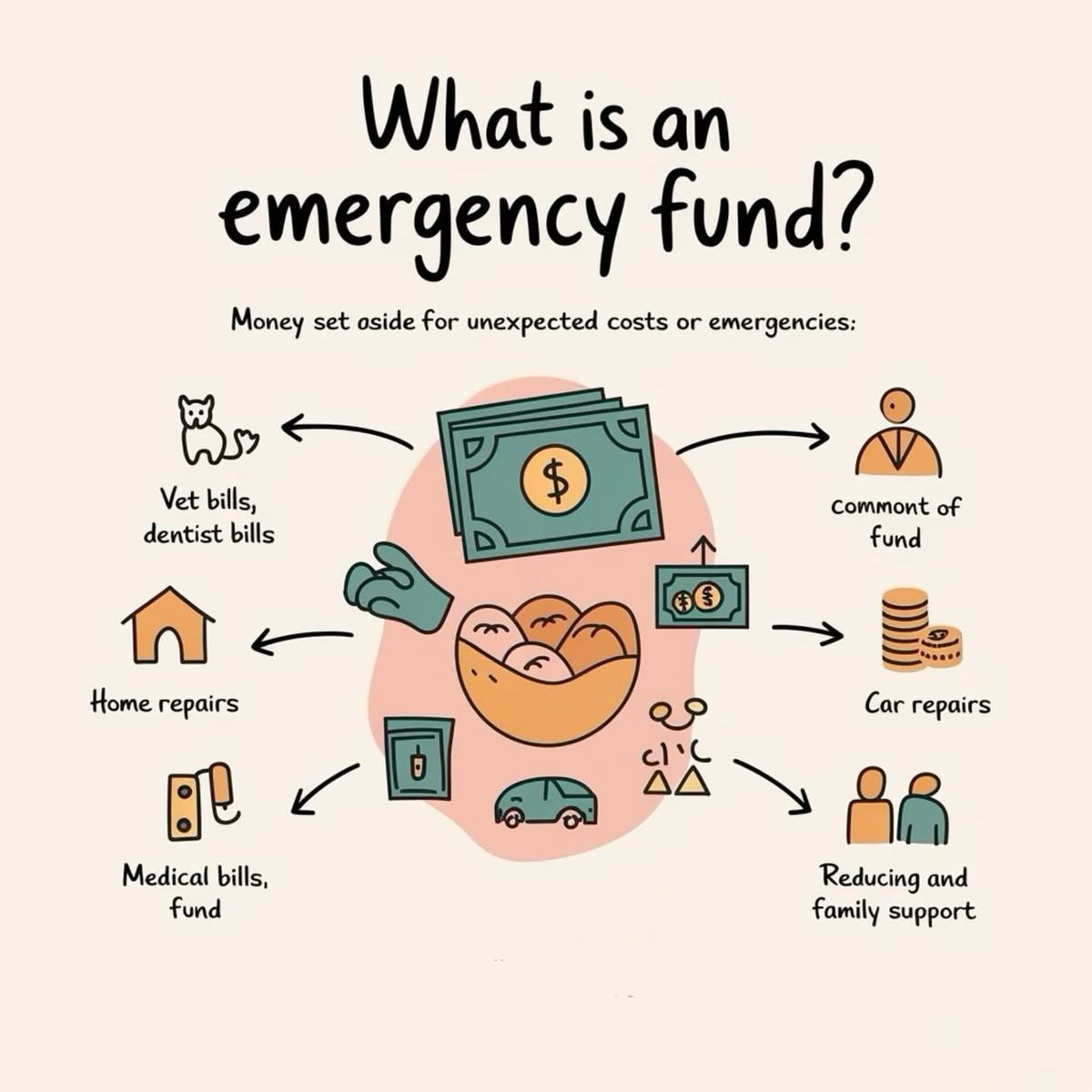
One of the smartest financial decisions you can make is creating an emergency fund. This is money specifically reserved for unexpected situations, such as medical bills, urgent home repairs, car problems, or temporary unemployment.
Imagine receiving an unexpected $1,200 car repair bill when your checking account is almost empty. Without emergency savings, you may have to use a credit card or take out a loan. However, if you have money set aside, you can handle the situation without immediately going into debt.
Start by setting a realistic savings target. Your first goal might be $500 or $1,000. Once you achieve that, gradually work toward saving three to six months of essential living expenses.
Keep your emergency fund in a separate, accessible savings account. It should be easy to reach when necessary but separate enough that you are not tempted to spend it on everyday purchases.
Remember, building an emergency fund takes time. What matters most is consistency.
2. Create a Realistic Monthly Budget
A monthly budget helps you understand how much money comes into your household and where that money goes.
Without a budget, it is easy to underestimate your spending. Small purchases, food deliveries, entertainment subscriptions, shopping, and transportation costs can gradually consume money that could have been saved.
Start by calculating your monthly income after taxes. Then list your essential expenses, including rent or mortgage payments, groceries, transportation, utilities, insurance, and debt payments.
Next, identify unnecessary expenses that can be reduced.
A useful budgeting approach is the 50/30/20 rule:
- 50% of your income goes toward essential needs.
- 30% goes toward personal wants.
- 20% goes toward savings and debt repayment.
These percentages are flexible. If your living costs are high, adjust them to fit your circumstances.
The important thing is to create a budget that leaves room for savings and unexpected expenses.
3. Save Money Automatically Every Payday
One of the easiest ways to prepare for financial emergencies is to make saving automatic.
Many people intend to save money but end up spending most of their income before the month ends. This happens because savings are often treated as whatever remains after expenses.
Instead, make savings a priority.
Set up an automatic transfer from your checking account to your emergency savings account whenever you receive your paycheck.
For example, if you earn $3,000 monthly, you might start by transferring $100 or $150 into savings, provided your essential expenses are covered.
That may not seem like much, but consistent contributions can gradually create a meaningful financial safety net.
You can increase the amount whenever your income improves or your expenses decrease.
4. Identify and Reduce Unnecessary Expenses
When unexpected expenses occur, having lower monthly spending gives you more financial flexibility.
Take time to review your spending habits and identify expenses that are not essential.
For example, you may be paying for streaming services you rarely use, ordering restaurant meals too frequently, purchasing expensive coffee every day, or shopping impulsively.
These expenses may appear small individually, but they can become substantial over several months.
You do not have to eliminate everything you enjoy. The goal is to make sure your spending reflects your priorities.
Consider preparing meals at home more often, comparing insurance prices, canceling unused subscriptions, and delaying unnecessary purchases.
The money you save can be redirected toward your emergency fund.
5. Avoid Depending on Credit Cards During Emergencies
Credit cards can provide convenience, but depending on them whenever an unexpected expense occurs can create serious financial problems.
Suppose your refrigerator breaks down and you charge a $1,500 replacement to a credit card. If you cannot repay the balance quickly, interest charges may increase the total amount you owe.
This can turn one unexpected expense into a longer-term financial burden.
Whenever possible, use emergency savings to cover unexpected costs.
If you must use a credit card, understand the interest rate, repayment terms, and potential fees. Develop a repayment plan as quickly as possible.
The goal is not necessarily to avoid every form of credit. It is to avoid allowing high-interest debt to become your primary emergency strategy.
6. Keep a Separate Savings Account for Emergencies
Keeping emergency money separate from your everyday spending account can help you avoid using it unnecessarily.
When all your money is in one account, it may be difficult to distinguish between money available for spending and money reserved for emergencies.
A separate savings account creates a clear financial boundary.
For example, you could maintain one account for regular household expenses and another specifically for emergencies.
Look for an account that offers appropriate security, easy access, and competitive interest rates without unnecessary fees.
If the account is in the United States, consider checking whether the bank is FDIC-insured or the credit union is federally insured by the NCUA, subject to applicable coverage limits.
Your emergency savings should be accessible and protected rather than exposed to unnecessary investment risks.
7. Prepare for Unexpected Medical Expenses
Medical expenses can create significant financial pressure, even for people who manage their money responsibly.
A medical emergency may involve hospital visits, prescription medications, specialist appointments, or unexpected treatment costs.
One important strategy is understanding your health insurance coverage.
Review your deductible, copayments, coinsurance, out-of-pocket maximum, and network requirements. Knowing these details can help you estimate how much you may need to pay when medical care becomes necessary.
You should also maintain savings specifically for unexpected healthcare costs within your broader emergency fund.
If you receive a large medical bill, review it carefully. Ask the healthcare provider or insurer to explain charges you do not understand, check whether insurance was correctly applied, and ask about financial assistance or payment arrangements.
Being informed and prepared can help you avoid unnecessary financial stress.
8. Develop Multiple Sources of Income
Depending entirely on one paycheck can make unexpected financial situations more difficult.
If you lose your job, experience reduced working hours, or face an interruption in business income, your ability to pay essential bills may immediately become uncertain.
Developing additional sources of income can improve your financial resilience.
Depending on your skills and circumstances, you could explore:
- Freelancing or consulting.
- Online services.
- Part-time employment.
- Selling digital products.
- Tutoring or teaching.
- Small business opportunities.
- Renting out eligible property or equipment.
However, additional income is not always passive or guaranteed. Most opportunities require time, effort, and sometimes initial investment.
Start with something realistic that fits your schedule and abilities.
Even a modest additional income stream can help you increase savings, repay debt, and manage unexpected expenses.
9. Build a Financial Cushion for Essential Bills
An emergency fund is important, but another helpful strategy is maintaining a small financial cushion in your everyday account.
This cushion is money you avoid spending unless necessary to prevent problems such as overdrafts, late payments, or temporary cash shortages.
For example, you might aim to maintain an additional $300 to $500 in your checking account, depending on your income and monthly expenses.
This can provide flexibility when a bill arrives earlier than expected or your paycheck is delayed.
However, remember that this checking-account cushion is different from your emergency fund.
The purpose is to prevent small cash-flow problems from becoming larger financial difficulties.
10. Review Your Insurance Coverage Regularly
Insurance is one of the most important tools for protecting your finances against major unexpected losses.
Without appropriate coverage, a serious accident, property damage, disability, or other insured event could create expenses that are difficult to manage.
Depending on your situation, consider reviewing:
- Health insurance.
- Auto insurance.
- Homeowners or renters insurance.
- Disability insurance.
- Life insurance, particularly if others depend on your income.
Do not simply choose the cheapest policy without understanding what it covers.
Pay attention to deductibles, exclusions, coverage limits, and claim requirements.
For example, a policy with a low monthly premium may have a high deductible that you cannot comfortably afford.
Review your coverage annually or whenever your circumstances change.
The purpose of insurance is to protect your financial future against risks that could otherwise cause significant damage.
11. Create a Debt Repayment Strategy
Existing debt can make unexpected expenses more difficult to manage because a portion of your income is already committed to monthly payments.
If you have credit card balances, personal loans, or other high-interest debts, develop a clear repayment plan.
Two popular strategies can help.
The debt snowball method: Pay off the smallest debt first while maintaining minimum payments on your other debts. This approach can provide motivation as you eliminate individual balances.
The debt avalanche method: Focus on the debt with the highest interest rate first while making minimum payments on other debts. This approach can reduce total interest costs when followed consistently.
Choose the strategy that best fits your circumstances.
As you reduce your debt, more of your income becomes available for emergency savings and other financial goals.
Avoid taking on additional unnecessary debt while working toward financial stability.
12. Prepare a Backup Plan for Job Loss
Losing a job unexpectedly can be one of the most stressful financial experiences.
Your regular income may suddenly disappear while essential expenses such as rent, food, utilities, transportation, and insurance continue.
Preparing in advance can make this situation easier to handle.
Start by calculating your essential monthly living expenses. This will help you understand how much money you need to survive if your income stops temporarily.
Build your emergency fund around those expenses rather than your entire previous lifestyle.
Keep your resume updated, maintain professional relationships, and continue developing skills that can improve your employment opportunities.
If you lose your job, investigate unemployment benefits and other assistance for which you may qualify.
Having a backup plan does not mean expecting something bad to happen. It means being responsible enough to prepare for possibilities you cannot completely control.
13. Avoid Making Emotional Financial Decisions
Unexpected expenses can create fear, frustration, and pressure.
When people feel financially overwhelmed, they sometimes make rushed decisions that worsen their situation.
For example, someone facing a large bill may immediately accept an expensive loan without comparing alternatives. Another person might withdraw retirement savings without understanding possible taxes, penalties, or long-term consequences.
Before making a major financial decision, take time to understand your options.
Ask questions, compare costs, review repayment terms, and seek professional guidance when necessary.
If the expense is urgent, prioritize immediate safety and essential needs. However, avoid allowing panic to push you into financial commitments you do not fully understand.
Calm decision-making is an important part of financial security.
14. Review Your Financial Situation Every Month
Financial preparation is not something you do once and forget.
Your income, expenses, debts, savings, and responsibilities can change over time.
Set aside time every month to review your financial situation.
Ask yourself:
- How much money did I earn this month?
- How much did I spend?
- Did I contribute to my emergency fund?
- Have my essential expenses increased?
- Am I accumulating unnecessary debt?
- Do I have enough savings to handle a financial emergency?
- What can I improve next month?
This simple routine helps you recognize financial problems before they become serious.
It also allows you to measure progress and adjust your financial plan when necessary.
Even a 20-minute financial review every month can help you become more organized and confident with money.
15. Develop a Long-Term Mindset About Financial Security
The final and perhaps most important strategy is developing a long-term mindset.
Financial security does not happen overnight. It is built through consistent decisions, careful planning, and the willingness to prepare for situations that may arise in the future.
You may not be able to save thousands of dollars immediately. You may have debt, family responsibilities, or a limited income.
That does not mean you cannot improve your financial situation.
Start with small actions. Save $10 when possible. Reduce one unnecessary expense. Review your insurance coverage. Create a realistic budget. Learn how to manage debt more effectively.
As your financial situation improves, increase your savings and strengthen your protection.
Remember that the goal is not simply to survive the next unexpected expense. It is to build a financial foundation that allows you to face future challenges with greater confidence.
Common Financial Mistakes to Avoid During Unexpected Expenses
Even financially responsible people can make mistakes when an emergency happens. Understanding these mistakes can help you avoid unnecessary losses.
1. Using all your savings for nonessential purchases: Emergency savings should be protected for genuine financial needs.
2. Ignoring small financial problems: Unpaid bills, rising interest charges, and overdraft fees can become bigger problems when ignored.
3. Borrowing without comparing options: Always review interest rates, fees, repayment periods, and other terms before accepting a loan.
4. Failing to plan for irregular expenses: Car maintenance, annual insurance premiums, and household repairs may be predictable even if their exact timing is not. Create separate savings categories for these costs.
5. Depending on future income: Avoid assuming that a bonus, promotion, or future paycheck will automatically solve a financial problem. Build your plan around income you can reasonably rely on.
Avoiding these mistakes can help you preserve your financial resources and make better decisions when life becomes unpredictable.
Conclusion: Prepare Today for a More Secure Financial Tomorrow
Unexpected expenses are part of life, and no one can predict every financial challenge that may come their way. A sudden medical bill, car repair, job loss, or household emergency can affect even the most carefully planned budget.
However, you do not have to allow unexpected expenses to destroy your financial stability.
By building an emergency fund, creating a realistic budget, saving automatically, reducing unnecessary spending, managing debt, and protecting yourself with appropriate insurance, you can develop a stronger financial foundation.
The most important thing is to start preparing before an emergency happens.
Do not wait until your car breaks down or your income disappears before thinking about financial protection. Begin with whatever amount you can afford, develop better money habits, and gradually increase your financial safety net.
You may not be able to control every situation life brings, but you can control how prepared you are to face it.
Financial security is not about having unlimited money. It is about having a plan, making wise decisions, and building enough financial resilience to handle life’s unexpected challenges without losing control of your future.
