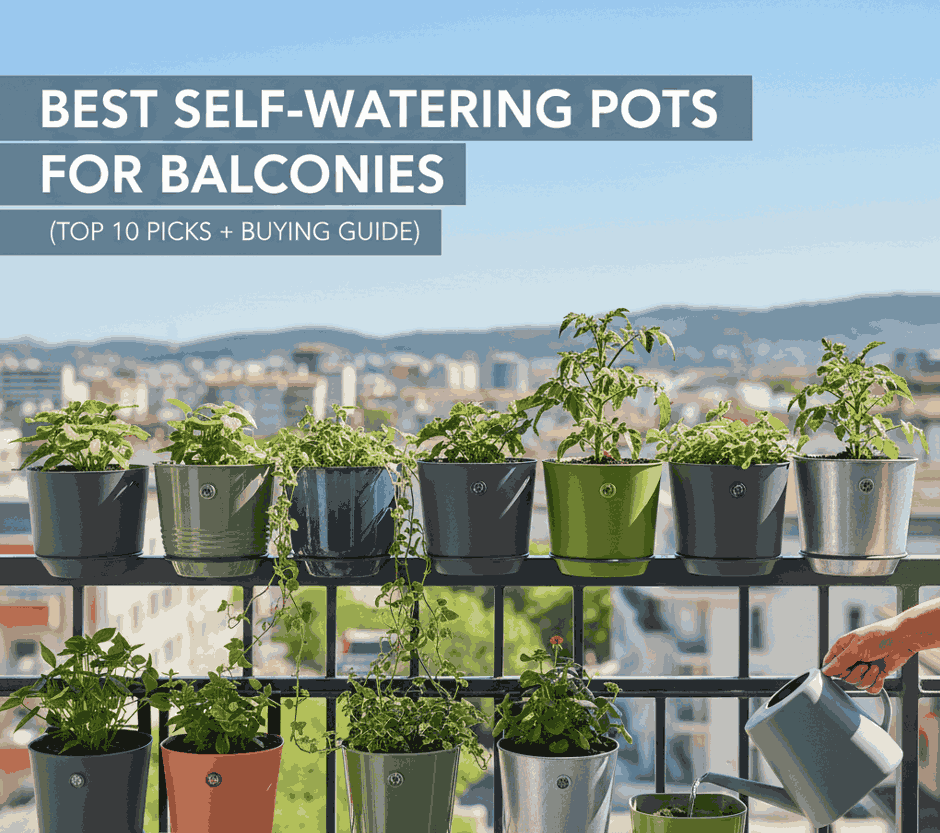
Self watering pots are one of the smartest innovations for modern container gardening. For balcony gardeners dealing with heat, wind, and limited time, these planters provide consistent moisture without daily watering. If you want healthier plants with less effort, choosing the right self watering planter can completely transform your balcony garden.
This guide covers the 10 best self watering pots for balconies, plus a detailed buying guide so you can select the right planter based on space, plant type, and climate.
What Are Self Watering Pots and How Do They Work?
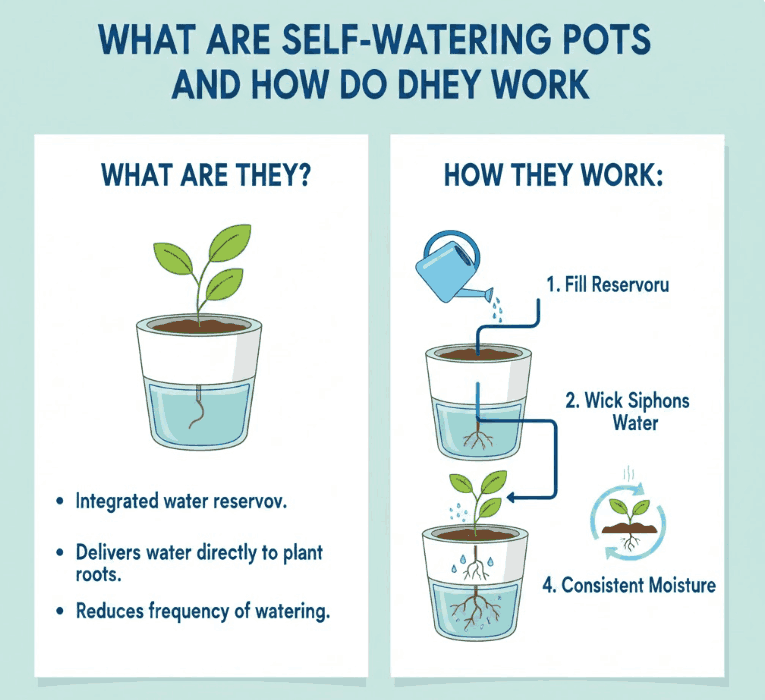
Self watering pots use a built-in reservoir system that stores water at the base. A wick or soil column gradually pulls moisture upward as plants need it. This system prevents both underwatering and overwatering, two of the most common causes of plant failure.
Benefits include:
- Maintains consistent soil moisture
- Reduces watering frequency
- Prevents root rot caused by excess water
- Ideal for hot or sunny balconies
- Saves time for busy gardeners
Top 10 Best Self Watering Pots for Balconies
1. Large Capacity Balcony Reservoir Planter
Best for vegetables and medium plants. Features a deep water tank and overflow outlet to prevent flooding.
2. Railing Self Watering Planter Box
Designed specifically for balcony railings. Maximizes space and keeps plants elevated for better sun exposure.
3. Multi-Size Cylinder Self Watering Pot Set
Perfect for aesthetic balcony arrangements. Multiple sizes allow grouping herbs, flowers, and foliage together.
4. Vertical Stackable Self Watering Planters
Ideal for small balconies. Stackable design increases growing space without occupying floor area.
5. Ceramic Self Watering Decorative Pot
Combines elegance with function. The porous ceramic body helps regulate moisture naturally.
6. Long Trough Self Watering Planter
Best for growing rows of plants such as lettuce, strawberries, or flowers along balcony edges.
7. Eco-Friendly Fiber Self Watering Pot
Made from biodegradable materials. Lightweight and suitable for organic gardening enthusiasts.
8. Hanging Self Watering Basket
Perfect for trailing plants and vines. Built-in reservoir reduces frequent watering for hanging displays.
9. Budget Self Watering Planter
A cost-effective option for beginners. Simple design but reliable water retention system.
10. Complete Balcony Planter Kit
Includes multiple pots, watering tubes, and indicators. Ideal for setting up a full balcony garden quickly.
How to Grow Cucumbers Vertically on a Balcony
Buying Guide: How to Choose the Best Self Watering Pots for Balconies
Selecting the right planter depends on several important factors.
Size and Depth
Choose pot size based on plant root depth. Herbs need smaller containers, while tomatoes and peppers require deeper pots.
Reservoir Capacity
Larger reservoirs require less frequent refilling. For hot climates or full-sun balconies, choose planters with bigger water storage.
Material Type
Common materials include:
- Plastic – lightweight and affordable
- Ceramic – stylish but heavier
- Resin – durable and weather resistant
- Fabric or fiber – breathable and eco-friendly
Drainage and Aeration
A good self watering pot must include overflow drainage to prevent waterlogging. Aeration gaps ensure roots receive oxygen.
Balcony Space Efficiency
For small balconies, prioritize:
- Vertical planters
- Hanging baskets
- Railing boxes
- Stackable designs
Best Soil Mix for Growing Herbs on a Balcony
Best Plants for Self Watering Pots
Most plants thrive in self watering containers, but some perform exceptionally well:
- Herbs such as basil, mint, and parsley
- Leafy greens like spinach and lettuce
- Tomatoes and peppers
- Flowering plants
- Indoor foliage plants
Plants that prefer dry soil, such as succulents or cacti, may not perform well unless the reservoir is carefully managed.
Advantages of Using Self Watering Pots on Balconies
Balcony environments differ from garden beds. Wind and sun exposure can dry soil rapidly. Self watering containers solve these challenges by providing:
- Consistent hydration
- Reduced maintenance
- Improved plant growth rate
- Less risk of drought stress
- Better nutrient absorption
For apartment gardeners, they are often the most reliable container solution.
Common Mistakes to Avoid
Even the best self watering planter can fail if used incorrectly.
Avoid these mistakes:
- Overfilling the reservoir
- Using heavy garden soil instead of potting mix
- Ignoring water level indicators
- Choosing pots too small for plant roots
- Placing shade plants in direct sun
Correct setup is just as important as choosing a quality pot.
Maintenance Tips for Long-Lasting Planters
To ensure durability and plant health:
- Clean reservoirs monthly
- Flush soil occasionally to remove salt buildup
- Check water levels weekly
- Replace wicks when worn out
- Protect plastic pots from extreme sun exposure
Proper maintenance extends planter life and improves plant growth.
Frequently Asked Questions
How often do self watering pots need refilling?
Typically every 7–14 days depending on plant type, temperature, and pot size.
Are self watering pots good for beginners?
Yes. They simplify watering and reduce plant care mistakes.
Do self watering pots cause root rot?
Not if they have proper drainage and are used correctly.
Final Verdict
Choosing the best self watering pots for balconies can make balcony gardening easier, more productive, and far less time-consuming. Whether you prefer railing planters, stackable systems, or decorative ceramic containers, the right self watering pot ensures your plants stay hydrated and healthy even in challenging balcony conditions.
For anyone serious about low-maintenance gardening, investing in high-quality self watering planters is one of the smartest decisions you can make.

Umair Abdullah is a dedicated balcony gardening writer who helps urban growers cultivate vegetables, herbs, and plants in small spaces. He focuses on practical, beginner-friendly methods and shares tested tips to make balcony gardening simple, productive, and enjoyable.